
Pet Care Library
How to Keep My Cat Hydrated: What Pet Parents Need to Know

This blog is Vet Approved by Dr. Sue.
Cats are infamous for their indifference toward drinking water. While most dogs will lap up water from just about anywhere, Cats are desert animals and are designed by nature to get their moisture from their prey.. They don’t have much of a thirst drive so they do not drink enough water, and most owners only realize that when a problem arises. The difference between actual and ideal water intake is even more striking for house cats fed dry food.
Proper hydration plays an important role in ensuring nearly every system in a cat’s body works properly. It supports kidney function, digestive health, skin elasticity, and overall good health. When water intake consistently falls short, the risk of kidney disease and other serious health problems increases over time.
Keep reading to learn more about signs of dehydration in cats, causes, and practical ways to keep your cat hydrated.
What Causes Dehydration in Cats?
There are a few things that can cause dehydration in cats, including:
Inadequate moisture in their food
Cats who eat a dry diet have the biggest challenges. Moist food mimics natural prey and for cats that is a big deal when it comes to hydration.
Illness
Kidney disease, diabetes, and hyperthyroidism all make cats lose lots of fluids and interfere with the body’s ability to regulate hydration. Diarrhea and vomiting also deplete fluids rapidly, sometimes in just a few hours. If your cat is managing chronic conditions, they are at higher risk of severe dehydration and should be monitored regularly.
Heat and Environment
Cats lose fluids quite fast in hot or humid conditions through respiration and normal body functions. Even indoor cats can be affected if the room they are in is not well-ventilated.
Stress
Changes in routine, a new home, new pets, or disruptions to a cat’s environment can cause them to eat and drink less than normal. Stress-related reductions in water intake can lead to mild dehydration surprisingly quickly, especially in cats that are already borderline in their daily water consumption.
Unappetizing Water Sources
Cats tend to have strong preferences about where and how they drink. A water bowl placed directly next to a food bowl, infrequently changed water, or a bowl material that affects the taste can be all it takes to keep a cat from drinking enough during the day.
Injury or Trauma
Physical injury or trauma can lead to fluid loss through bleeding, shock, or reduced mobility that prevents a cat from reaching their water source. Cats recovering from surgical procedures or accidents may also eat and drink significantly less during recovery, increasing their risk of dehydration.
Oral Health Problems
Dental diseases or ulcers in your cat’s mouth can make drinking and eating so painful that they avoid both. A cat that suddenly starts drinking or eating less without an obvious environmental cause should have their mouth examined, as oral pain is a frequently overlooked contributor to poor water intake.
Signs That Your Cat May Be Dehydrated
Here are the signs and symptoms to look out for that may indicate your cat is dehydrated.
Dry or Tacky Gums
Healthy cats’ gums will always be moist and healthy pink in color. Press your finger gently against your cat’s gums. If they feel sticky or tacky rather than slick, your cat likely isn’t drinking enough water. Dry gums and dry mouth are among the earliest indicators of dehydration.
Skin Elasticity Test
Gently pinch your cat’s skin right at the back of their neck. If your cat is well-hydrated, the skin will snap back right away. But if they’re dehydrated, their skin will slowly return to its place or remain tent-like before coming down.
Dull, Sunken Eyes
Cats with enough fluids in their bodies have bright, clear eyes. If your cat’s eyes seem sunken or dull, it is definitely worth paying attention to, as it might indicate severe dehydration.
Decreased Litter Box Use
The state of your cat’s litter box can tell you more about your cat than you might expect. A dehydrated cat will urinate less frequently, and the urine may be more concentrated and darker than normal.
Decreased Appetite
Dehydration and poor appetite tend to go hand in hand. If your cat doesn’t eat enough, they likely are drinking even less, which quickly compounds the problem.
Panting
Unlike dogs, cats don’t often pant. If your feline friend is panting, dehydration may be the cause, and veterinary care should be sought promptly.
10 Tips to Keep Your Cat Hydrated
A few small adjustments to your cat’s feeding routine and surroundings can go a long way toward improving their daily water intake. Here are 10 tips to help keep your cat hydrated.
1. Make a Change From Dry Food to Wet Food
Dry kibble contains very little moisture, typically less than 10%. Wet cat food, on the other hand, contains up to 70–80% water. Freeze-dried raw cat food is another strong option. When rehydrated with warm water, it provides all the nutritional benefits of raw food diets along with the moisture content your cat needs to stay hydrated.
2. Place Multiple Water Bowls Around the House
Most cats drink more water when they have access to multiple water bowls. In addition to a water bowl near their food bowl, you need to keep other water dishes around the house. Cats usually like to drink water away from where they eat. Bowls should be washed with soap and water daily.
3. Serve More Frequent Smaller Meals
Cats who are offered smaller amounts of food several times a day or offered higher protein meals will often drink more water than those that are offered larger carbohydrate heavy meals once or twice a day. Dividing your feline friend’s food intake into three or four smaller portions each day makes them more likely to visit the water bowl, which increases their water consumption.
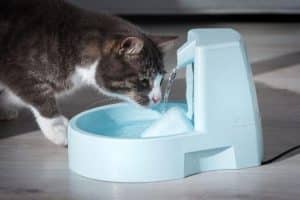
4. Invest in a Cat Water Fountain
Cats are naturally drawn to moving water. A cat stainless steel water fountain provides constantly moving water, which somecats find more attractive than stagnant water in a bowl. Cat fountaialso filter the water continuously, keeping it fresher for longer, which is another factor that influences how much a cat drinks. Stainless steel fountains are best because plastic will harbor bacteria. Fountains should be cleaned regularly
4. Make a Change From Dry Food to Wet Food
Dry kibble contains very little moisture, typically less than 10%. Wet cat food, on the other hand, contains up to 70–80% water. Freeze-dried raw cat food is another strong option. When rehydrated with warm water, it provides all the nutritional benefits of raw food diets along with the moisture content your cat needs to stay hydrated.
5. Change the Water Often
If you don’t have a fountain, make sure your cat’s water bowl is filled with clean, fresh water daily. Many cats will avoid water that has been sitting for too long. The water bowl should be rinsed and refilled at least once a day. It should be changed more often in warmer weather.
6. Use Bone Broth or Low Sodium Chicken Broth
Bone broth or low-sodium chicken broth can be added to your cat’s food or water to encourage them to drink more fluids. Most cats love the flavor, making it a useful tool for increasing their water intake with little resistance. You should not use broths containing sugar, garlic or onion, as they can be harmful to cats.
7. Try Tuna Juice or Clam Juice
Adding a small splash of tuna juice or clam juice to your cat’s water bowl is another way to make water more appealing to a picky drinker. Like broth, the added flavor encourages cats to drink more than they otherwise would. However, do not add too much of it, and opt for varieties that come in water instead of oil.
8. Use Different Bowl Materials and Sizes
Your cat may have specific preferences regarding their water bowls. While some cats may dislike using plastic bowls because of the taste they leave, other cats avoid bowls that are too deep or too narrow, which cause their whiskers to touch the sides. Try stainless steel or ceramic water bowls, and experiment with different sizes to find what your cat prefers.
9. Offer Freeze-Dried Treats With Added Water
Freeze-dried raw pet treats can be rehydrated before serving, adding a small but meaningful amount of moisture to your cat’s day. It’s a simple way to sneak extra hydration into mealtime without your cat noticing the difference. You can buy freeze-dried raw pet treats for your dogs and cats here.
10. Add Ice Cubes to Your Cat’s Food or Water
Cats often react positively to having ice cubes in their drinking water or food bowls. The presence of ice cubes often encourages curious cats to drink more, and as the ice melts, it keeps the water cooler and fresher for longer. Ice cubes in your cat’s food absorb the food’s flavor, and as the cat licks the cubes, they get water.

Frequently Asked Questions
Can Freeze-Dried Raw Cat Food Help Keep My Cat Hydrated?
Yes, when rehydrated with warm water before serving, freeze-dried raw cat food contributes directly to your cat’s daily water intake. Unlike dry kibble, which contains less than 10% moisture, rehydrated freeze-dried raw food provides hydration along with high-quality animal protein. Studies show that higher protein in the diet also encourages thirst drive. Freeze-dried raw pet treats and cat food in chicken, duck, and beef flavors are great places to start.
How Much Water Should a Cat Drink per Day?
Typically, cats require about 3.5 to 4.5 ounces of water per 5 pounds of body weight. This requirement can depend on factors such as your cat’s diet, exercise level, age, and overall health.
Can Dehydration Cause Kidney Disease in Cats?
Severe dehydration is a significant risk factor for kidney disease in cats. Kidneys need sufficient fluid intake to filter waste and function properly. When a cat consistently doesn’t drink enough water, the kidneys are under constant strain. Over time, this can contribute to the development or progression of kidney disease.
Conclusion
There is no need for complicated strategies when it comes to hydrating your cat. The most important thing is having the proper diet; cats that eat wet food or rehydrated freeze-dried raw cat food get a significant portion of their daily water intake from their meals, reducing the risk of dehydration. Pair that with fresh water, accessible water bowls, and a close eye on your cat’s behavior and litter box habits, and you’re covering the basics of good cat hydration.

NOTE: The statements made on this website have not been evaluated by the Food and Drug Administration. These statements and the products of this company are not intended to diagnose, treat, cure, or prevent any disease.
Please consult your veterinarian before implementing any new diet, exercise, and dietary supplement programs, especially if your pet has preexisting medical conditions or is taking prescribed medications. The statements made on this website are for educational purposes only and are not meant to replace the advice of your veterinarian.
Proper treatment of health conditions depends upon several factors, including, but not limited to, your pet’s medical history, diet, lifestyle, and medication regimen. Your veterinarian can best assess and address your pet’s individual health care needs. You should consult with your veterinarian before starting a new diet, supplement, or treatment regimen. Individual results may vary.