
Pet Care Library
How to Handle Freeze-Dried Pet Food: Preparing and Serving It Safely for Cats and Dogs
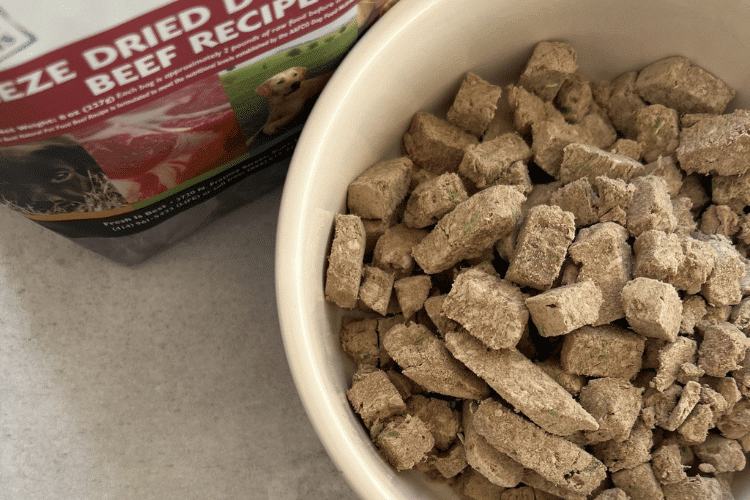
Handling freeze-dried raw pet food isn’t difficult when you know a thing or two about it, and getting it right ensures every meal is safe and appealing for pets. At Fresh Is Best, we make freeze-dried raw food for cats and dogs, so we get lots of questions about how to handle it. This article covers everything from preparing and portioning freeze-dried pet food to storing what’s left.
Handling Freeze-Dried Raw Food
Freeze-drying involves taking fresh raw ingredients and removing almost all of their moisture at low temperatures under a vacuum, which helps the food stay raw without needing a freezer or fridge. With moisture removed, the bacteria and enzymes that cause fresh meat to decompose have nothing to eat, making the product shelf-stable at room temperature.
Shelf stability is the practical reason this freeze-dried food is easy to handle. No defrosting, no dripping, and no rushing to eat before it goes bad. For a more detailed comparison of fresh and freeze-dried food, check out our guide to Fresh vs Freeze-Dried Cat Food.
Safe Handling: Clean Hands, Clean Bowls, No Need for Fear
Since freeze-dried raw food remains raw, handle it the same way you would any raw meat. Wash your hands both before and after scooping or rehydrating a portion. Use separate bowls for each serving, and wash them after each use. The FDA prioritizes food safety and provides similar instructions for handling any pet food, which are especially important when you have a raw product.
Freeze-drying removes the moisture bacteria need to multiply, and a sealed package stays safe and clean. All you need to do is keep raw and rehydrated food portions away from areas where you prepare your own meals.
How to Prepare Freeze-Dried Food
Rehydrating is the most crucial step in getting freeze-dried food ready to be served as a meal. This process softens the food, makes it easier for your pet to digest, and restores the water content a raw diet is meant to provide. Serving it dry as a full meal asks your pet’s body to supply that water during digestion, so we always rehydrate it when it is the main course.
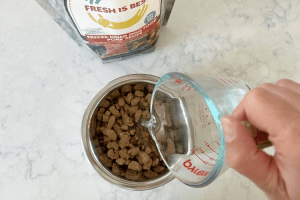
This process is very fast. Place the portion in a clean bowl, add warm (not boiling) water, and stir. As an approximate guide, the amount of warm water and the amount of food in the bowl should be the same. Wait three to five minutes for the water to soak through the portion completely, and add more water if some parts are still hard. Warm water works faster than cold water and brings out the aroma that attracts the pets to the bowl, especially pets that prefer wet food.
How to Prepare and Serve Freeze-Dried Cat Food
Cats are obligate carnivores, meaning they get most of their nutrients and water from animal-based food, making a rehydrated raw diet ideal for them. To serve freeze-dried cat food as a full meal, rehydrate the portion as stated above and offer it at room temperature, since cats tend to reject food straight from a cold bowl.
You don’t need to serve it as a full meal every time. You can serve freeze-dried food crumbled over your cat’s regular food as a tasty Meal Topper, or offer it piece by piece as a reward for good behavior. If you are interested in serving ideas specially developed for cats, including lick mats and treat swaps, check out our guide on How to Use Freeze-Dried Cat Food, as well as our Freeze-Dried Cat Food sorted by protein to match your cat’s preferences.
How to Prepare and Serve Freeze-Dried Dog Food
Prepare and serve freeze-dried dog food the same way, using larger quantities to match your dog’s size. Add warm water to the required amount, and stir until it reaches a soft, moist consistency. Dogs are often enthusiastic eaters, so focus on portion size rather than fussiness; a rehydrated bowl also gives them moisture that supports healthy digestion.
Freeze-dried food is just as useful in smaller portions for dogs. You can crumble it over a dog’s food bowl to make it more appealing, or feed it dry as a reward while training. Our Freeze-Dried Meat Treats are a popular way to do that, and you can feed a complete diet from our Freeze-Dried Dog Food recipes. However you serve it, keep the same raw-handling habits.
Our dog food is 100% natural
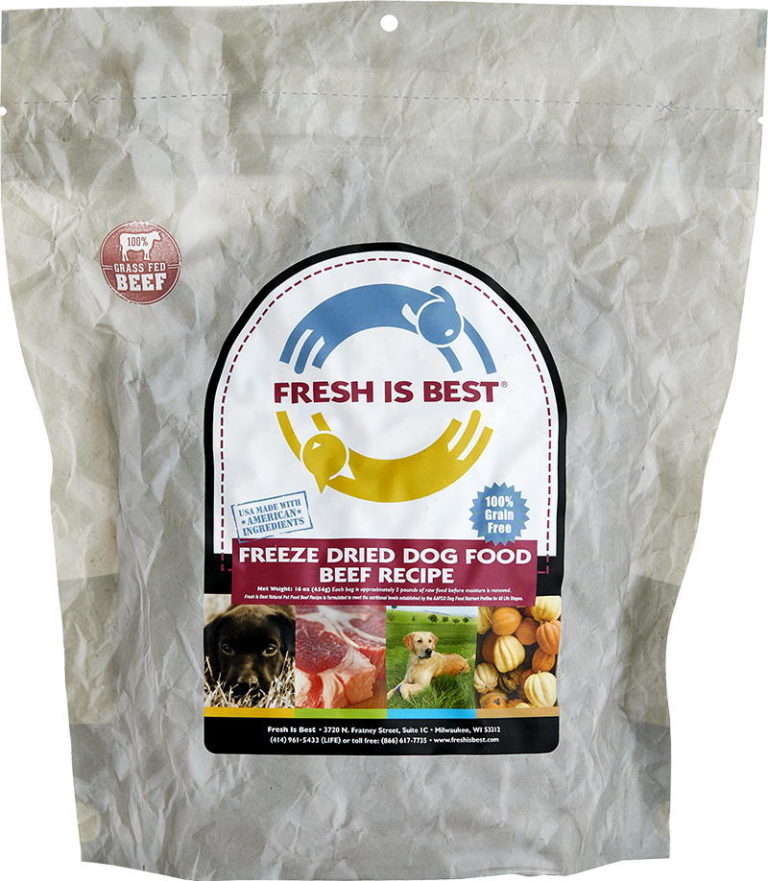
Freeze Dried Beef Dog Food
Can be kept up to two (2) weeks unrefrigerated
How to Make the Transition to Freeze-Dried Raw Food
An abrupt change in diet is the most common cause of stomach upset, so we suggest transitioning to the new diet over a week or ten days instead of all at once. A gradual switch to a freeze-dried diet gives the digestive system time to adjust and gives picky eaters time to get accustomed to a new smell, taste, and texture.
Start by filling a quarter of the bowl with rehydrated freeze-dried food and fill the rest with their regular food. Over several days, increase the amount of frozen raw food until you have fully switched over. If your pet experiences diarrhea during this process, hold at the current ratio for a few more days before increasing again. Most cats and dogs accept the new food without much difficulty, and the high palatability of raw meat makes this easy.
Offering any new food on a non-toxic plate, platter, or wide shallow dish instead of a bowl should speed up the transition between foods. Platter feeding mimics carcass feeding, which is natural to cats and to dogs. Platter feeding can also improve digestion and reduce anxiety. Cats in particular can suffer from whisker fatigue and odor trapping when they’re fed from a bowl, which can make them turn away from wet food.
Tips for cats: Cats that are being free-fed will do better with a transition if you move to scheduled meal feeding. They also like their food placed away from their water.
To start, try placing a tablespoon or two of the new moistened freeze-dried food near the old food on a separate plate or in a different area of their platter so your cat can get used to the smell and taste. Another option is to crumble the freeze-dried food on top of their current food. Try offering the moistened freeze-dried raw in the morning, when they’re hungriest, and don’t offer kibble then.
Shelf Life of Freeze-Dried Food Preservation
An unopened bag of freeze-dried food can last a long time if stored properly in a cool, dry place away from direct sunlight. The printed best-by date is your guide there. Do not keep the food in places where temperatures may fluctuate or moisture is present, such as a garage or a cabinet next to the stove. After opening a bag, squeeze out all the air, reseal it each time you use it, or transfer the contents to an airtight container, and use it within the window noted on the packaging.
Rehydrated food is stored differently because once you add water, it becomes perishable like any fresh raw meal. Serve rehydrated food immediately, and do not leave it exposed for more than two hours. If your pet does not finish a rehydrated meal, cover it, refrigerate it right away, and use it within a day.
Frequently Asked Questions
Do You Need to Rehydrate Freeze-Dried Dog or Cat Food?
Hydrate the food whenever you offer it as a full meal. This ensures your pet gets the moisture and nutrition a delicious raw diet is meant to provide. When served dry as a complete meal, the food draws water from the body during digestion, so rehydration is highly recommended. As a topper or occasional treat, a few dry pieces won’t do any harm.
How Much Warm Water Should You Add to Freeze-Dried Food?
Start with equal volumes of food and water, then adjust until it is soft and moist all the way through. Let it soak for about three to five minutes, and add more water if any pieces are still firm. The amount of water may vary depending on the freeze-drying recipe, so the chart on the bag will help you most. Some pets will eat the food and drink the water separately if it isn’t fully absorbed in the dish.
How Long Does Freeze-Dried Food Last Once Opened?
If sealed and stored in a cool, dry place, freeze-dried food has a long shelf life, as indicated by the best-by date on the bag. Once opened, reseal it tightly after each use to keep moisture out and use it within the window the packaging lists. Rehydrated food is perishable, so refrigerate it within two hours and use it within a day, or dispose of it.
Can You Feed Freeze-Dried Food as a Complete Meal?
Yes, as long as the recipe is labeled complete and balanced, it can be your pet’s regular diet. AAFCO, the body that sets US pet-food nutrient standards, defines what complete and balanced means, so look for that statement on the bag to confirm a recipe is formulated as a full meal rather than a topper or treat. Rehydrate it, portion it by your pet’s weight, and it works as a species-appropriate main diet for cats and dogs.
Conclusion
Preparing freeze-dried raw food involves a few easy steps. Make sure your hands and bowls are clean, rehydrate with warm water if it’s a full meal, feed according to your pet’s weight, and transition gradually. Store the bag in a cool and dry place, and refrigerate or throw away the rehydrated leftovers. Do this, and you get the convenience of a shelf-stable food with the nutritional value of a raw diet for your cats and dogs.
Once you get used to the steps needed to properly handle freeze-dried food, choosing a recipe becomes enjoyable, and we are always happy to help you find the right protein for a picky eater or a first-time raw feeder. We hope you feel you’ve learned how to handle freeze-dried food for dogs and cats after reading this blog!
References
- U.S. Food and Drug Administration (FDA), Center for Veterinary Medicine. Tips for Safe Handling of Pet Food and Treats.
- Association of American Feed Control Officials (AAFCO). Understanding Pet Food: Nutritional Adequacy and Complete and Balanced Claims.

NOTE: The statements made on this website have not been evaluated by the Food and Drug Administration. These statements and the products of this company are not intended to diagnose, treat, cure, or prevent any disease.
Please consult your veterinarian before implementing any new diet, exercise, and dietary supplement programs, especially if your pet has preexisting medical conditions or is taking prescribed medications. The statements made on this website are for educational purposes only and are not meant to replace the advice of your veterinarian.
Proper treatment of health conditions depends upon several factors, including, but not limited to, your pet’s medical history, diet, lifestyle, and medication regimen. Your veterinarian can best assess and address your pet’s individual health care needs. You should consult with your veterinarian before starting a new diet, supplement, or treatment regimen. Individual results may vary.