
Pet Care Library
What Are Feed-Grade Ingredients vs. Human-Quality Ingredients in Pet Food? A Guide for Dog and Cat Parents
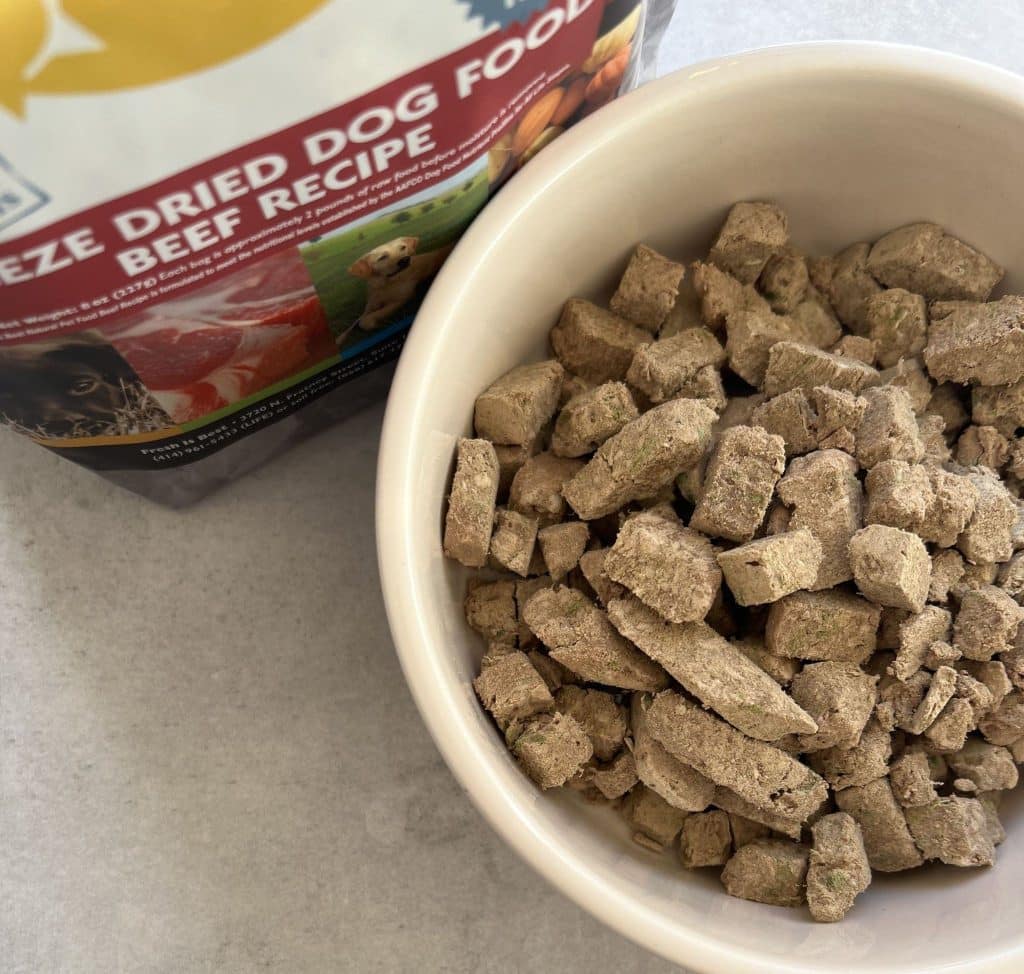
While feed-grade and human-quality ingredients sit at opposite ends of the pet-food quality spectrum, the label rarely clarifies which one your pet food uses. Feed-grade is the default legal standard for most pet foods, meaning the ingredients are approved for animal foods but not necessarily fit for human consumption.
Human-quality ingredients, the standard Fresh Is Best uses, simply means the ingredients are the same kind of high-quality raw meats, organs, and fresh produce you’d find in a grocery store. However, we don’t make the regulated “human-grade” claim since that term has a strict legal meaning.
These terms, feed-grade, human-grade, and human-quality, are commonly confused and used interchangeably, which is why the definitions and knowing how to differentiate them are important. In this article, we will define each term, show you how to identify them on a label, and explain how ingredient-quality differences affect your dog and your cat.
What “Feed-Grade” Means in Pet Food
Feed grade is the standard most pet food on the market is formulated to, making it a good place to start. AAFCO, the Association of American Feed Control Officials, whose regulatory guidelines are adopted by most states, defines feed-grade as any ingredient found to be safe, functional, and appropriate for use in animal feeds, handled and properly labeled, and in compliance with the Federal Food, Drug, and Cosmetic Act (AAFCO, 2023). Simply put, feed-grade ingredients can be eaten by animals but not necessarily by people.
This is a broad range of quality. Feed-grade recipes may use meat by-products, rendered meats, or animal products not raised or handled to human food standards. None of that is illegal or automatically unsafe. The FDA’s Center for Veterinary Medicine requires that every single component used in a pet food is safe, made under sanitary conditions, and free of harmful substances (FDA, 2024). So, a feed-grade product may still be balanced and complete.
However, the problem is that the label won’t always tell you where an ingredient stands. Broad terms like “meat meal” or ingredients with unrecognizable names can hide major variation in quality. The human-grade standard and our human-quality approach solve this exact problem.
What “Human-Grade” Means as a Regulated Term
“Human-grade” or human-grade ingredients is not just another marketing term brands can use whenever they want. In fact, it is a regulated claim with a clearly defined meaning. That is why it is crucial to understand what it means before judging a pet food label by it.
The AAFCO standard states that a pet food can be marketed as human-grade only if all the ingredients used in its production and the final product itself are stored, handled, processed, and transported in accordance with the federal regulations for human food, and made in a facility licensed to produce human food (AAFCO, 2023). This aligns with the USDA’s definition of “edible,” meaning the food is legally fit for a person to eat.
Meeting a human-grade standard requires a human food facility license and documentation for every ingredient in the recipe, and a pet food manufacturer that hasn’t officially met all the requirements shouldn’t use the term “human-grade.”
What “Human-Quality” Ingredients Means
Human-quality is the standard we follow when sourcing our ingredients. We begin with high-quality fresh meat and organs that are sourced from animals raised under the best practices, which means grass-fed, free-range, and wild-harvested proteins that have no antibiotics. Then we supplement this with fresh fruits and vegetables like kale, collards, apples, yams, and squash, and not dried pomace or powders.
What we leave out matters just as much. Our recipes contain no grains, white potato, peas, legumes, or tapioca flour, nor other starch-based fillers or ingredients with confusing, unrecognizable names. Because the meat, organs, and minerals from bones provide all the necessary nutrition, we don’t need any fillers. You can see this in our Freeze-Dried Cat Food, where the recipe reads like food you’d recognize, not a list of unfamiliar terms.
Then comes the way we handle these ingredients to maintain their quality. We use slow, small-batch freeze-drying to preserve nutrients and flavors, then package the food in vacuum-sealed, high-oxygen-barrier bags instead of just nitrogen-flushing the bags like many other freeze-dried companies do. What you get in the end is species-appropriate, carnivore-focused nutrition that’s shelf-stable and easy to serve.

Feed-Grade vs Human-Quality Ingredients, Side by Side
Here’s how the two approaches compare at a glance.
| Feed-grade (the default) | Human-quality (our approach) | |
|---|---|---|
| Basic standard | Fit for animal consumption under AAFCO/FDA rules | High-quality ingredients you’d recognize as food, sourced to a higher bar |
| Typical proteins | May include by-products and rendered meals | Pasture-raised, grass-fed, cage-free, crate-free, and wild-harvested meats and organs |
| Produce | Often dried pomace, powders, or none | Fresh whole fruits and vegetables |
| Fillers | May contain grains, potato, peas, legumes, and starches | No grains, potato, peas, legumes, tapioca flour, or other starchy fillers |
| Label clarity | Can carry broad terms and unfamiliar ingredient names | Named, recognizable ingredients |
| “Human-grade” claim | No | No, and we don’t make it; we say human-quality instead |
What This Means for Dog Food and Cat Food
The same logic goes for both bowls, although cats raise the bar. Cats are obligate carnivores, and they need to have nutrients like taurine, which you’ll find in animal tissue and organ meat. This means the quality and quantity of meat used makes a huge difference.
Human-quality ingredients in cat food mean more animal-based nutrition your cat needs, along with the moisture you get when you rehydrate freeze-dried food. If you’re trying to decide on what to go for, our guide to Fresh vs Freeze-Dried Cat Food compares the formats.
Dogs also get the same benefits, but in a more relaxed way because they have a more varied diet than cats. High-quality proteins and fresh fruits and vegetables, without fillers, provide a nourishing recipe for dogs. Our Freeze-Dried Dog Food follows the same human-quality sourcing as our other products, so the difference between feed-grade and human-quality is evident in your pet’s bowl.
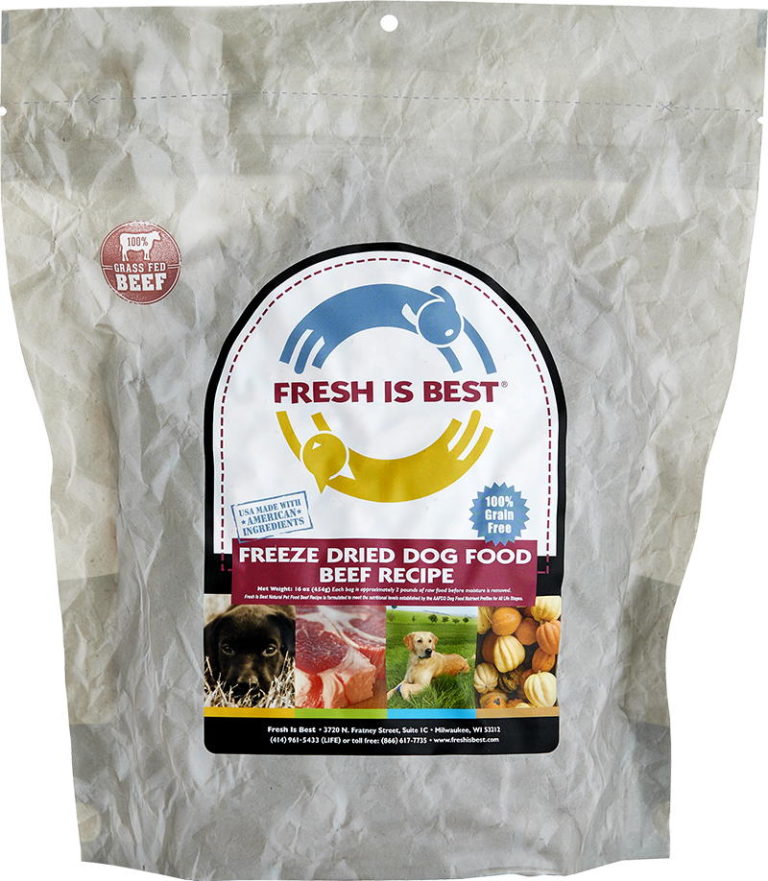
Our dog food is 100% natural
Freeze Dried Beef Dog Food
Can be kept up to two (2) weeks unrefrigerated
Is Feed-Grade Food Safe for Pets?
When pet parents learn that most pet foods aren’t made to human food safety standards, they get concerned; however, feed-grade isn’t synonymous with unsafe. AAFCO exists to ensure feed-grade products are safe and that all pet food formulas are nutritionally adequate for a particular life stage of a dog or cat.
The key difference is between “safe for animal consumption” and “edible by humans.” These standards differ, as do their intended uses. A chicken by-product that wouldn’t be sold in a grocery store for people can still be a safe and nutritious ingredient in a dog’s meal. Feed-grade simply means a product was evaluated against animal food standards, not human food standards. It is a different bar, but not automatically a lower one for safety purposes.
How to Spot the Difference on a Label
You don’t need an advanced degree in nutrition to recognize food quality from its labels and make the right choice. A few practices cover what most pet owners need to know, and it helps to read a raw pet food label closely before buying.
- Choose products with identifiable, single-source proteins, like “cage-free duck” or “grass-fed beef.” This is much better than broad terms such as “meat meal” or “animal by-product.”
- Check the produce. Whole ingredients such as kale, apples, and squash suggest freshness, while “pomace,” “powder,” or a long run of starches may indicate fillers.
- Look out for fillers. These include grains, white potatoes, peas, legumes, and tapioca flour. They are common ways to cheaply bulk out a recipe.
- Check the words related to the sourcing and handling. Terms like pasture-raised, grass-fed, cage-free, and wild-harvested indicate how the animals were raised.
- Exercise caution with the grade claims. Since “human-grade” is a regulated term, don’t take this claim alone as evidence of quality; consider the other ingredients as well.

Frequently Asked Questions
What Is Human-Grade Dog Food?
Human-grade dog food is a regulated claim and not a general compliment. According to AAFCO (2023) standards, a food can be called human-grade only when every ingredient and the finished product are handled to federal human food standards and made in a facility licensed to produce human food. In other words, the food must be legally considered safe for humans.
Is Human-Quality the Same as Human-Grade?
No. “Human-grade” is a highly regulated term that applies to the entire product and the facility, whereas “human-quality” refers to the high quality of ingredients we use without making any regulated claims. We use the term “human-quality” because it tells consumers our ingredients are high-quality without using a regulated term we do not officially meet.
What Does Feed-Grade Mean in Pet Food?
Feed-grade means an ingredient is suitable for animal consumption under standards set by AAFCO and the FDA, but it is not necessarily fit for humans (AAFCO, 2023). This is the default standard for most pet food, and it can include by-products and rendered meals.
Are Human-Quality Ingredients Better for Cats?
For most cats, choosing products with higher-quality ingredients is best. Being obligate carnivores that rely on nutrients from animal tissue, a diet containing high-quality meats and organs, with no grains or starchy fillers, is better for them.
If you want to see that approach in action, our freeze-dried meat treats and freeze-dried meal toppers are an easy way to start, either as a topper for a current meal or if you’re trying freeze-dried raw for the first time. Freeze-dried raw food also restores moisture when you rehydrate it, which supports hydration for cats that don’t drink much on their own.
The Bottom Line
Once you know the difference, label reading gets a bit simpler. Human-grade is a strictly regulated label indicating a product can be consumed by humans, and human-quality is the honest middle ground we’ve chosen. We offer truly high-quality and identifiable ingredients sourced to higher standards, without adding a regulated claim. Ultimately, what makes it into your dog’s or cat’s bowl matters, and for both dogs and cats, that comes down to real meat and organs, fresh produce, and no filler.
References
- Association of American Feed Control Officials. (2023). AAFCO Standard for “Human Grade” Pet Food and Feed-Grade Ingredient Definitions.
- U.S. Food and Drug Administration. (2024). Pet Food and Ingredients: Regulation by FDA’s Center for Veterinary Medicine.
- U.S. Department of Agriculture, Food Safety and Inspection Service. (2023). Meat and Poultry Labeling Terms and “Edible” Product Standards.

NOTE: The statements made on this website have not been evaluated by the Food and Drug Administration. These statements and the products of this company are not intended to diagnose, treat, cure, or prevent any disease.
Please consult your veterinarian before implementing any new diet, exercise, and dietary supplement programs, especially if your pet has preexisting medical conditions or is taking prescribed medications. The statements made on this website are for educational purposes only and are not meant to replace the advice of your veterinarian.
Proper treatment of health conditions depends upon several factors, including, but not limited to, your pet’s medical history, diet, lifestyle, and medication regimen. Your veterinarian can best assess and address your pet’s individual health care needs. You should consult with your veterinarian before starting a new diet, supplement, or treatment regimen. Individual results may vary.